ABA for 12 Year Old With Social Delays: What Parents Need to Know

In short: ABA therapy for a 12-year-old with social delays focuses on teaching real-world social skills like starting conversations, reading body language, and managing peer interactions. It is often covered by insurance and Medicaid, and a free matching service like Nearby ABA Therapy can connect you with vetted, BCBA-led providers who tailor programs for preteens.
Key takeaways
- ABA for preteens targets advanced social skills like conversational turn-taking, understanding sarcasm, and building friendships.
- A Board Certified Behavior Analyst (BCBA) designs and oversees all therapy, ensuring it is individualized and evidence-based.
- Sessions often take place in community settings (school, parks, clubs) to practice skills in real-world situations.
- Most insurance plans, including Medicaid, cover ABA therapy for autism-related social delays.
Understanding Social Delays in 12-Year-Olds
Social delays in preteens can look different than in younger children. At age 12, social expectations shift dramatically: friendships become more complex, peer groups form, and subtle social cues like sarcasm or non-verbal signals become crucial. A child with social delays may struggle to join conversations, misinterpret jokes, or feel isolated at school. They might have strong academic skills but find lunchtime or group projects overwhelming. These challenges are not a reflection of effort-they stem from differences in how the brain processes social information, common in autism spectrum disorder (ASD) and other developmental conditions.
Without support, social delays can lead to anxiety, low self-esteem, and avoidance of social situations. But with the right help, many 12-year-olds learn to navigate these waters. Applied Behavior Analysis (ABA) therapy offers a structured, evidence-based approach to building the specific skills a preteen needs to connect with peers and adults.
🔗 Related reading: Adult Autism Services in CA: Costs & Coverage Guide · Find ABA Near Me
What Is ABA Therapy for Social Delays?
ABA therapy uses principles of learning and behavior to teach new skills and reduce challenging behaviors. For a 12-year-old with social delays, the focus is not on basic compliance or simple imitation. Instead, it targets higher-order social competencies. A BCBA (Board Certified Behavior Analyst) conducts a detailed assessment to identify your child's strengths and areas for growth. Then, they create an individualized plan that breaks down complex social behaviors into teachable steps.
Key Skills ABA Can Address
- Conversation skills: Starting a chat, asking follow-up questions, staying on topic, and ending conversations naturally.
- Reading non-verbal cues: Recognizing facial expressions, tone of voice, and body language.
- Understanding abstract language: Interpreting idioms, sarcasm, and jokes.
- Friendship building: Initiating playdates, sharing interests, and handling conflict.
- Self-advocacy: Asking for help, explaining needs, and setting boundaries.
How ABA Works for a 12-Year-Old
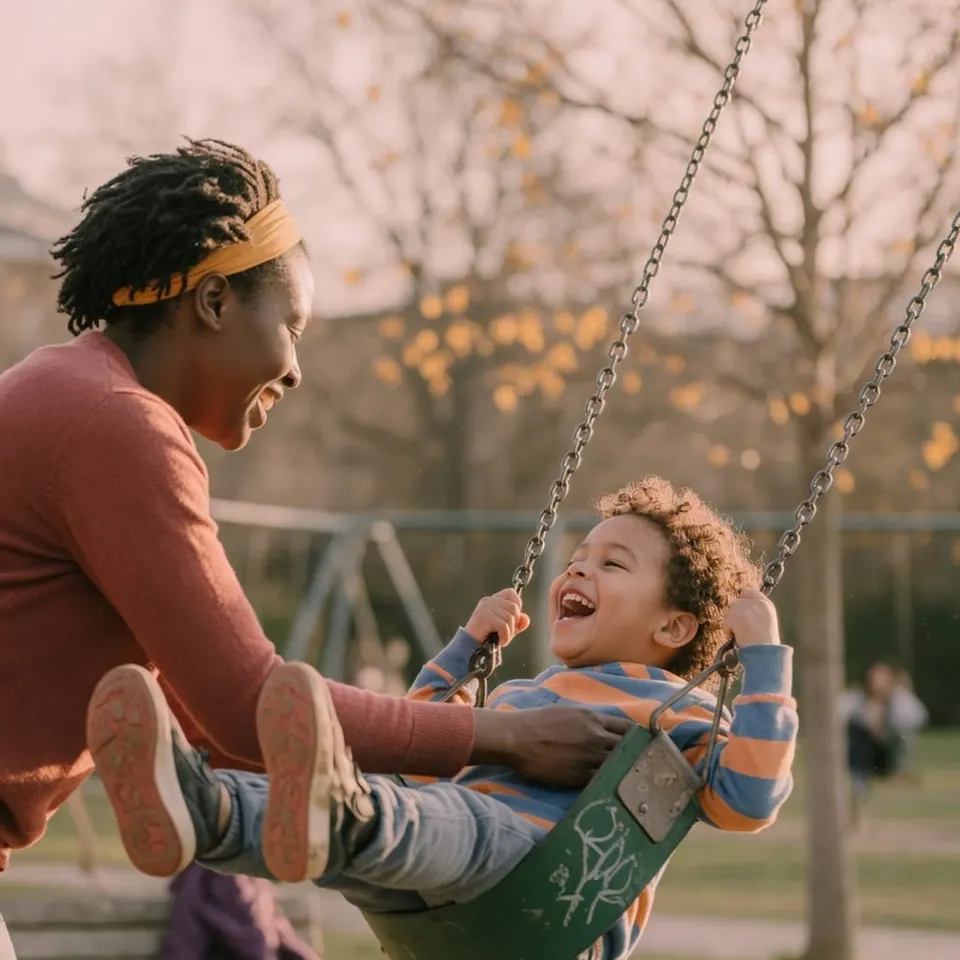
Unlike therapy for younger children, which may be table-based or play-oriented, ABA for preteens is often more collaborative and naturalistic. Sessions might occur in the home, but increasingly they take place in community settings: a local park, a library, a coffee shop, or during a school club. This is called natural environment training, and it helps skills transfer to real life.
Typical Session Structure
A session might last 1-2 hours and include a mix of direct instruction, role-playing, and practice with peers. For example, a BCBA or a trained therapist (Registered Behavior Technician, RBT) might first explain how to start a conversation. Then they role-play with the child, giving immediate feedback. Finally, they might invite a peer to join for a structured activity, like playing a board game or working on a project together. Data is collected on each skill, and the plan is adjusted based on progress.
Parent and Caregiver Involvement
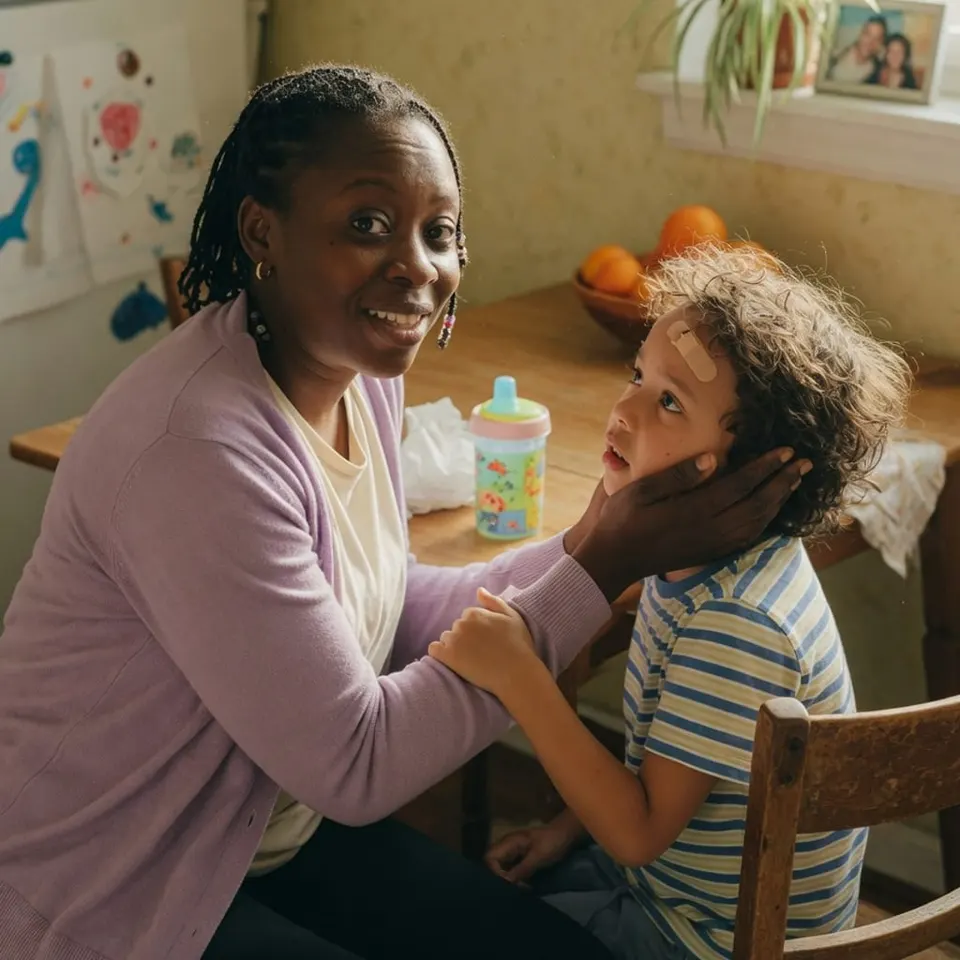
Parents are essential partners. The BCBA will train you to reinforce skills at home, such as prompting your child to greet a neighbor or helping them plan a social outing. Consistency across settings speeds up learning.
🔗 Related reading: CHIP California ABA Therapy Coverage Explained · Local ABA Therapy
Is ABA Right for Every 12-Year-Old With Social Delays?
ABA is most effective when tailored to the individual. For many preteens, especially those with autism, it is a highly effective approach. However, it is not a one-size-fits-all solution. Some children may benefit from additional supports like speech therapy or counseling for anxiety. A good BCBA will collaborate with your child's school and other therapists to create a cohesive plan. If your child is resistant to therapy, a skilled provider can adjust the approach to be more engaging and respect their autonomy.
It is also important to note that ABA should never be used to force a child to mask their autistic traits or suppress stimming that is not harmful. The goal is to build skills that help the child feel confident and connected, not to change who they are.
Costs and Insurance Coverage
ABA therapy can be expensive if paid out-of-pocket-often $60 to $150 per hour. However, most private insurance plans cover ABA for autism, thanks to state and federal mandates. Medicaid also covers ABA in many states, including through programs like Early and Periodic Screening, Diagnostic and Treatment (EPSDT). Coverage varies, so it is wise to check your plan's details. A free service like Nearby ABA Therapy can help you navigate insurance options and find providers who accept your plan.

How to Find a Qualified ABA Provider
Look for a provider that is led by a BCBA with experience working with preteens. Ask about their approach to social skills, how they involve parents, and whether they offer community-based sessions. Nearby ABA Therapy makes this easy: you fill out a short form, and we match you with vetted, BCBA-led providers in your area. There is no cost to you, and we only work with providers who meet strict quality standards.
Questions to Ask a Potential Provider
- How do you assess social delays in a 12-year-old?
- What does a typical session look like for my child's age group?
- How do you involve peers or siblings in therapy?
- How do you measure progress and adjust goals?
- Do you coordinate with my child's school?
Common Mistakes to Avoid
One mistake is waiting too long. Social skills are like any other skill-the earlier you start, the easier it is to build. But even at 12, significant progress is possible. Another pitfall is choosing a provider that uses outdated or rigid methods. Look for modern, compassionate ABA that respects your child's interests and autonomy. Finally, do not go it alone. Lean on your BCBA, school team, and parent support groups. You are not just helping your child; you are building a community around them.
Conclusion: Taking the Next Step
Social delays do not define your 12-year-old. With the right support, they can learn to navigate friendships, advocate for themselves, and thrive. ABA therapy offers a proven path forward. To get started, reach out to Nearby ABA Therapy for a free match with a vetted, BCBA-led provider who understands the unique needs of preteens. You do not have to do this alone-help is just a click away.