ABA Therapy for 2-Year-Olds at Home: Benefits and What to Expect
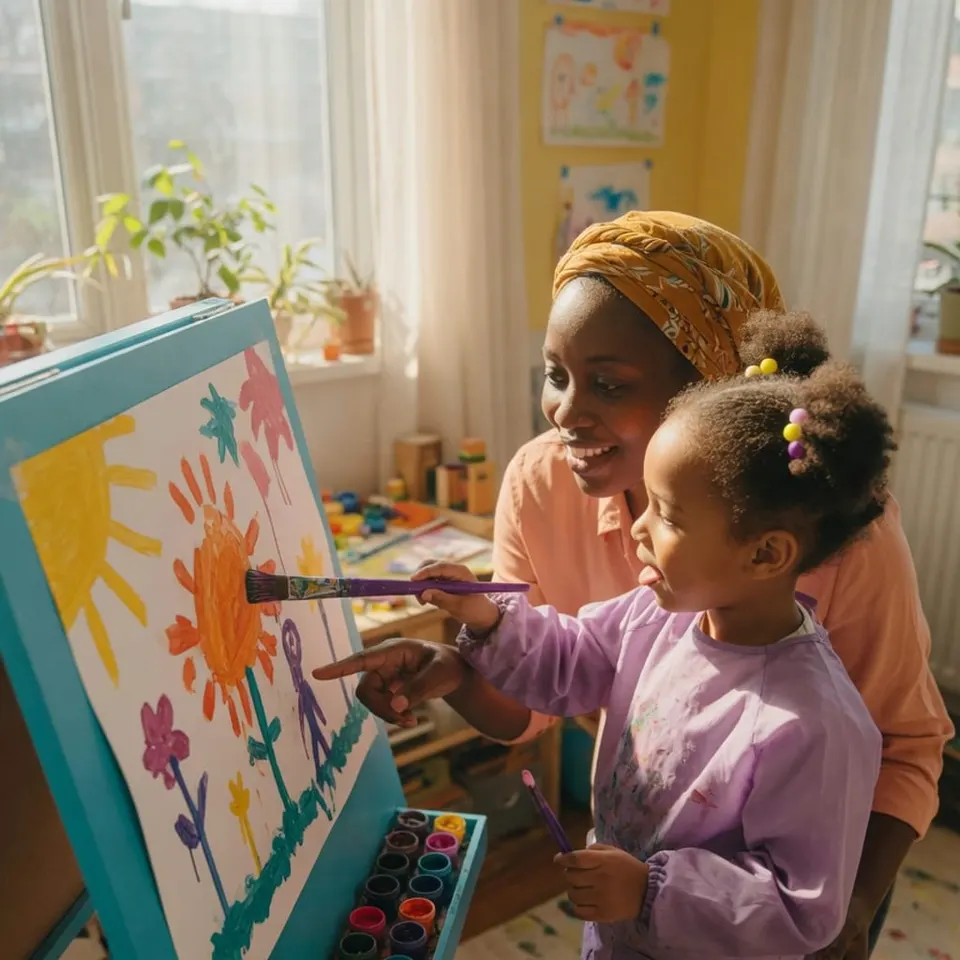
In short: ABA therapy for 2-year-olds at home uses play-based learning to teach communication, social, and self-help skills in a natural environment. It empowers parents with strategies and is often covered by insurance and Medicaid. Early intervention can significantly improve long-term outcomes.
Key takeaways
- In-home ABA uses the child's natural environment for learning, making skills more likely to generalize.
- Parent involvement and coaching are core components, helping families reinforce strategies daily.
- Starting ABA at age 2 takes advantage of early brain plasticity for better long-term outcomes.
- Sessions are individualized, play-based, and designed to build foundational skills like communication and social interaction.
Understanding ABA Therapy for Toddlers
Applied Behavior Analysis (ABA) therapy is a scientifically proven approach to understanding and changing behavior. For a 2-year-old with autism or developmental delays, ABA focuses on building essential skills through positive reinforcement. When delivered at home, therapy happens in the child's most comfortable and familiar setting, which can accelerate learning and reduce stress.
What Makes ABA Different for 2-Year-Olds?
At this age, ABA looks very different from therapy for older children. Sessions are short, play-based, and follow the child's lead. The goal is not to drill skills but to embed learning into everyday activities like snack time, bath time, or playing with toys. A Board Certified Behavior Analyst (BCBA) designs a personalized plan that targets communication, social interaction, imitation, and self-help skills appropriate for a toddler's developmental stage.
The Importance of Early Intervention
Research consistently shows that early intervention, ideally before age 3, leads to the best outcomes for children with autism. The brain is most adaptable in the first few years of life, making it an optimal time to teach new skills and reduce challenging behaviors. In-home ABA allows therapists to work with your child in the environment where they naturally encounter daily routines, making learning more meaningful and lasting.

🔗 Related reading: Colorado Autism Insurance Appeals: A Step-by-Step Playbook · Local ABA Therapy
Key Benefits of In-Home ABA for a 2-Year-Old
Natural Learning Environment
Your home is where your child feels safest. By bringing therapy to your living room, kitchen, or backyard, your child learns skills in the exact places they will use them. For example, requesting a snack is practiced at the kitchen table, not in a clinic. This natural context helps your child generalize skills more quickly and reduces the need to transfer learning from one setting to another.
Parent Involvement and Coaching
In-home ABA puts parents at the center of the team. The BCBA and therapists will train you to use strategies during daily routines. You learn how to prompt, reinforce, and respond to your child's communication attempts. This coaching empowers you to support your child's development long after the therapist leaves, creating a consistent learning environment throughout the week.
Individualized Attention
Because therapy is one-on-one, your child receives the full attention of a trained therapist. The plan is tailored to your child's unique strengths, challenges, and interests. If your child loves bubbles, the therapist might use bubbles to teach requesting or eye contact. This individualized approach respects your child's personality and keeps them engaged.
Building Foundational Skills
For a 2-year-old, ABA targets critical early skills:
- Communication: Using words, signs, or picture cards to request, comment, and protest.
- Social interaction: Sharing attention, taking turns, and responding to name.
- Imitation: Copying actions and sounds, which is key to learning.
- Self-help: Eating independently, dressing with help, and following simple routines.
- Play skills: Engaging with toys in functional ways and interacting with peers or siblings.
What to Expect During In-Home ABA Sessions
A Typical Session Structure
Sessions for a 2-year-old usually last 1 to 3 hours, depending on the child's tolerance and the goals. The therapist arrives, greets your child, and begins with a warm-up activity. Throughout the session, they alternate between structured teaching (like practicing a new word) and natural play. Data is collected on each target skill to track progress. The session ends with a brief parent update and suggestions for practice until the next visit.
Play-Based Learning
Play is the primary vehicle for learning at this age. Therapists use toys, songs, and games to create opportunities for your child to practice skills. For instance, if your child wants a turn with a toy, the therapist might pause and wait for a vocalization or a gesture before handing it over. This gentle shaping encourages communication without pressure.
Data Collection and Progress Tracking
ABA is data-driven. The therapist or BCBA records how often your child uses a target skill, what prompts were needed, and whether the skill is improving. This information guides adjustments to the plan. You will receive regular updates, often through graphs or simple reports, so you can see your child's progress over time.
🔗 Related reading: ABA Therapy Cost in Florida: A Complete Guide · Apply for ABA
How to Get Started with In-Home ABA
Diagnosis and Referral
In-home ABA typically requires a formal diagnosis of autism spectrum disorder from a qualified professional. Once you have a diagnosis, your pediatrician or a developmental specialist can provide a referral for ABA services. Many states also have early intervention programs that can help connect families to therapy.
Insurance and Medicaid Coverage
ABA therapy is widely covered by private insurance and state Medicaid plans. The Affordable Care Act requires many plans to cover autism treatments, including ABA. Medicaid programs in most states also cover ABA for children under 21. Coverage specifics vary, so it is important to check your plan. A free matching service like Nearby ABA Therapy can help you find providers who accept your insurance, including Medicaid.
Finding a Qualified BCBA Provider
Look for a BCBA with experience working with toddlers. The BCBA will conduct an initial assessment, develop a treatment plan, and supervise the therapy team. Nearby ABA Therapy is a free service that matches families with vetted, BCBA-led providers in your area. You can share your location and insurance details, and they will connect you with options that fit your needs.
Practical Tips for Parents Starting In-Home ABA
Preparing Your Home Environment
Create a space where therapy can happen without too many distractions. Set up a small area with a few toys and a comfortable seat for the therapist. Keep preferred items (like snacks or favorite toys) accessible so the therapist can use them as reinforcers. Let siblings know that the therapist is there to help and that they may be included in some activities.
Building a Partnership with the Therapy Team
Communication is key. Share what works at home, what challenges you face, and what your child enjoys. Ask questions about the strategies being used and practice them between sessions. The more you collaborate, the more consistent your child's learning experience will be.
Incorporating Strategies into Daily Routines
You don't need to set aside extra time for therapy. Use everyday moments: during meals, practice requesting more food; during bath time, teach body parts; during dressing, encourage choices. The therapist will show you how to weave these opportunities into your day naturally.

Potential Challenges and How to Overcome Them
Consistency and Commitment
In-home ABA requires a time commitment from the family. Sessions may happen several times a week, and you will be asked to follow through with strategies. If this feels overwhelming, start small. Focus on one or two routines and gradually expand. Remember that even short, consistent practice makes a difference.
Balancing Therapy with Family Life
Having a therapist in your home can feel intrusive at times. Set boundaries that work for your family, such as keeping therapy to certain hours or rooms. Let the therapist know if you need a break or if a sibling needs attention. A good provider will respect your family's rhythm and adjust accordingly.
Start Your Journey with Nearby ABA Therapy
Deciding to pursue ABA therapy for your 2-year-old is a big step, and you don't have to navigate it alone. Nearby ABA Therapy is a free service that connects families with vetted, BCBA-led providers who specialize in early intervention. By sharing a few details about your child and your insurance, you can receive personalized matches for in-home ABA in your area. The service is designed to save you time and ensure you find a provider who is the right fit for your family.
Early intervention at home can set the stage for your child's communication, social skills, and independence. With the right support and a loving, consistent approach, your 2-year-old can thrive. Let Nearby ABA Therapy help you find the path forward.