ABA Therapy for 1-Year-Olds: Recognizing Early Signs and Getting Help
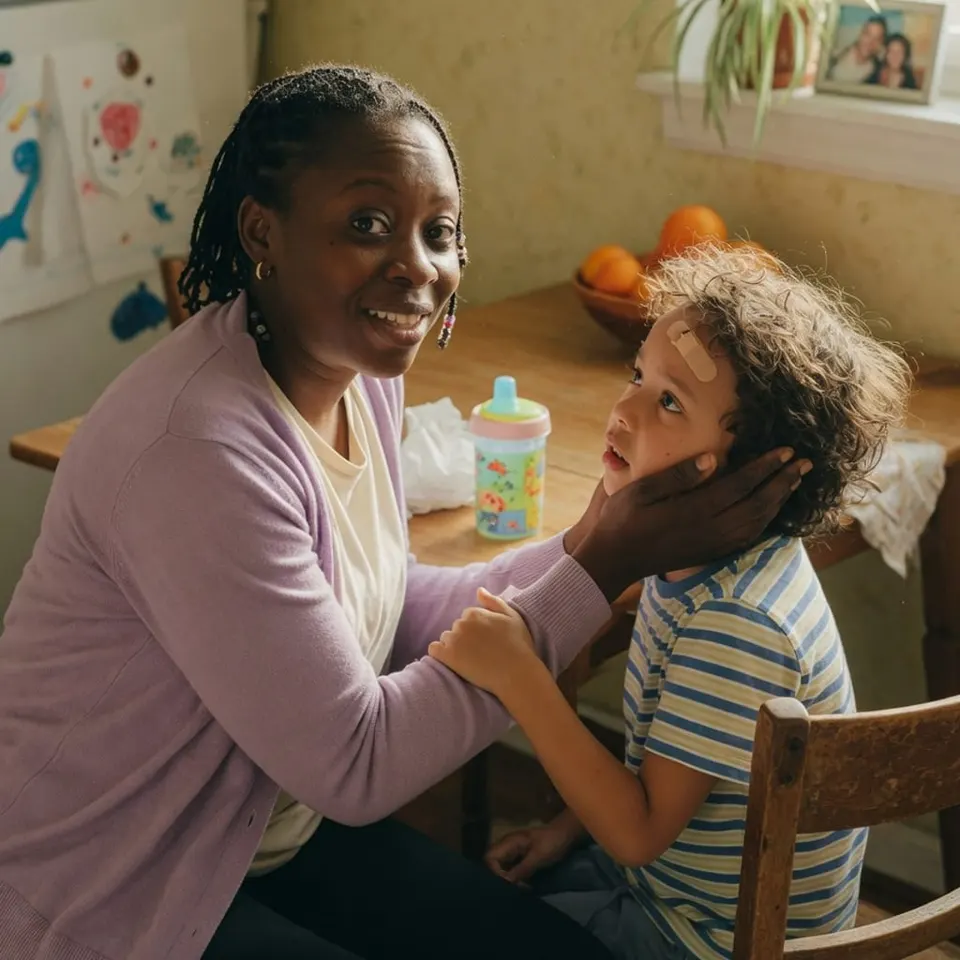
In short: Early signs of autism in a 1-year-old may include limited eye contact, not responding to their name, or delayed babbling. ABA therapy can help build communication and social skills at this age, and it's often covered by insurance and Medicaid. Nearby ABA Therapy is a free service that connects families with vetted, BCBA-led providers for personalized support.
Key takeaways
- Early signs of autism in 1-year-olds include limited eye contact, not responding to name, and delayed babbling.
- ABA therapy at this age focuses on building communication, social, and play skills through naturalistic teaching.
- ABA is often covered by insurance and Medicaid for children diagnosed with autism.
- Early intervention can significantly improve long-term outcomes.
Understanding Early Signs of Autism in a 1-Year-Old
Every child develops at their own pace, but some differences may signal a need for extra support. For a 1-year-old, early signs of autism can be subtle. Common indicators include limited or no eye contact, not responding when their name is called, and not using gestures like pointing or waving. Some children may also show repetitive movements, such as hand-flapping or rocking, or have a strong preference for certain toys or routines.
It's important to remember that these signs alone don't mean a child has autism, but they can be a reason to talk with a pediatrician or specialist. If you're concerned, tracking your child's milestones and sharing them with a professional is a good first step. Early identification opens the door to early intervention, which can make a big difference.

🔗 Related reading: ABA Therapy in Massachusetts: What to Expect · Find ABA Near Me
What Is ABA Therapy for a 1-Year-Old?
Applied Behavior Analysis (ABA) therapy is a science-based approach that helps children learn new skills and reduce challenging behaviors. For a 1-year-old, ABA looks very different than it does for older children. Sessions are play-based, natural, and focused on building foundational skills like communication, social interaction, and imitation.
A Board Certified Behavior Analyst (BCBA) designs a personalized plan based on your child's strengths and needs. Therapists use techniques like natural environment teaching (NET) to embed learning into everyday activities, such as playing with blocks or during snack time. The goal is to help your child engage with the world around them in a positive way.
Key Skills ABA Can Help Build at 12-24 Months
- Eye contact and joint attention: Sharing focus on an object or activity with another person.
- Vocalizations and first words: Encouraging babbling and simple sounds that lead to speech.
- Imitating actions: Copying simple gestures like clapping or waving.
- Social play: Taking turns, responding to peek-a-boo, and engaging with caregivers.
- Following simple directions: Responding to cues like 'come here' or 'give me.'
Why Early Intervention Matters for a 1-Year-Old
Research shows that starting therapy early, ideally before age 3, can lead to better outcomes in communication, social skills, and cognitive development. The brain is most adaptable in the first few years of life, a period often called the 'critical window' for learning. Early intervention can help a child catch up on missed milestones and reduce the need for more intensive support later.
For parents, early intervention also provides guidance on how to support their child's development at home. Therapists often coach parents on strategies to encourage communication and play, making everyday interactions more enriching.

🔗 Related reading: Respite Care for Ohio Families Raising Autistic Children · Local ABA Therapy
How to Get an Evaluation for a 1-Year-Old
If you notice early signs, the next step is to seek an evaluation. You can start by talking to your child's pediatrician, who may refer you to a developmental specialist or a local early intervention program. Many states offer free or low-cost evaluations for children under 3 through their Early Intervention system. For example, in California, the Early Start program provides assessments, and in Texas, Early Childhood Intervention (ECI) offers similar services.
An evaluation typically involves a team of professionals, such as a developmental pediatrician, psychologist, or speech therapist, who will assess your child's skills in areas like communication, motor abilities, and social interaction. If a diagnosis of autism is made, ABA therapy is often recommended as a primary treatment.
Cost and Insurance Coverage for ABA Therapy
ABA therapy can be expensive without insurance, but most health plans, including Medicaid, cover it for children with an autism diagnosis. The Affordable Care Act requires many private insurers to cover autism treatments, though specifics vary by state. Medicaid programs in every state cover ABA for eligible children, often with no copay.
If you're unsure about coverage, Nearby ABA Therapy can help. As a free matching service, we connect families with vetted, BCBA-led providers who accept a range of insurance plans. You simply share your child's needs and your insurance information, and we find a provider that fits.
What to Expect in ABA Therapy Sessions for a Toddler
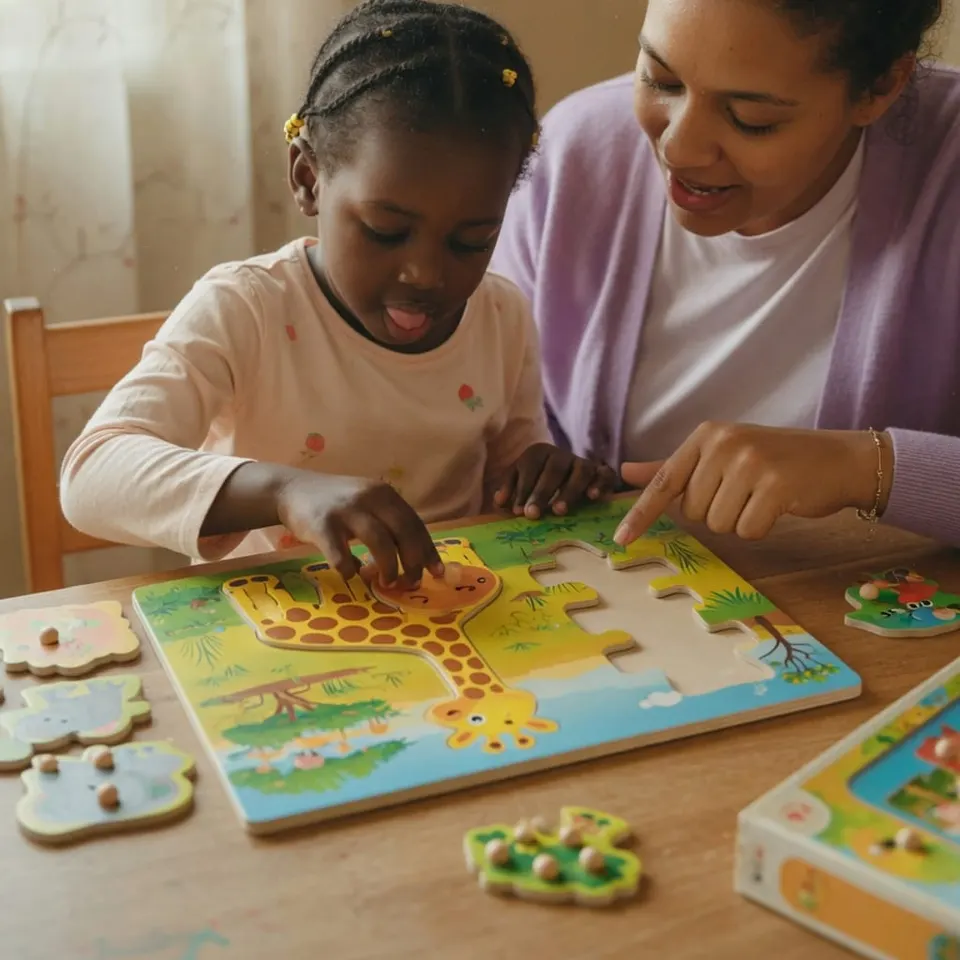
Sessions for a 1-year-old are short, typically 1-2 hours, and happen in a natural setting like your home or a daycare. The therapist follows your child's lead, using toys and activities they enjoy to teach skills. For example, if your child loves stacking blocks, the therapist might use that time to encourage eye contact or requesting more blocks.
Parent involvement is key. Therapists often show you how to reinforce skills between sessions, making learning a part of daily routines like mealtime or bath time. Progress is tracked carefully, and the BCBA adjusts the plan as your child grows.
Common Mistakes to Avoid When Starting ABA
- Waiting too long: Early intervention is most effective, so don't delay seeking an evaluation.
- Choosing a provider without BCBA oversight: Always ensure a BCBA designs and supervises the program.
- Not checking insurance coverage: Many providers accept insurance, but verify before starting.
- Overlooking parent training: Your involvement is crucial for success.
How Nearby ABA Therapy Can Help You Get Started
Navigating the world of autism services can feel overwhelming, especially when you're also caring for a toddler. That's where Nearby ABA Therapy comes in. We're a free service that matches families with vetted, BCBA-led ABA providers in your area. You don't pay us anything; we're simply here to help you find the right fit.
To get started, visit our website and answer a few questions about your child's age, location, and insurance. We'll then connect you with providers who specialize in early intervention for young children. Many families find a match within days, and we're with you every step of the way.
Remember, you're not alone. Recognizing early signs and seeking help is a brave and important step. With the right support, your child can thrive.