Florida ABA Provider Shortages: Alternatives While You Wait
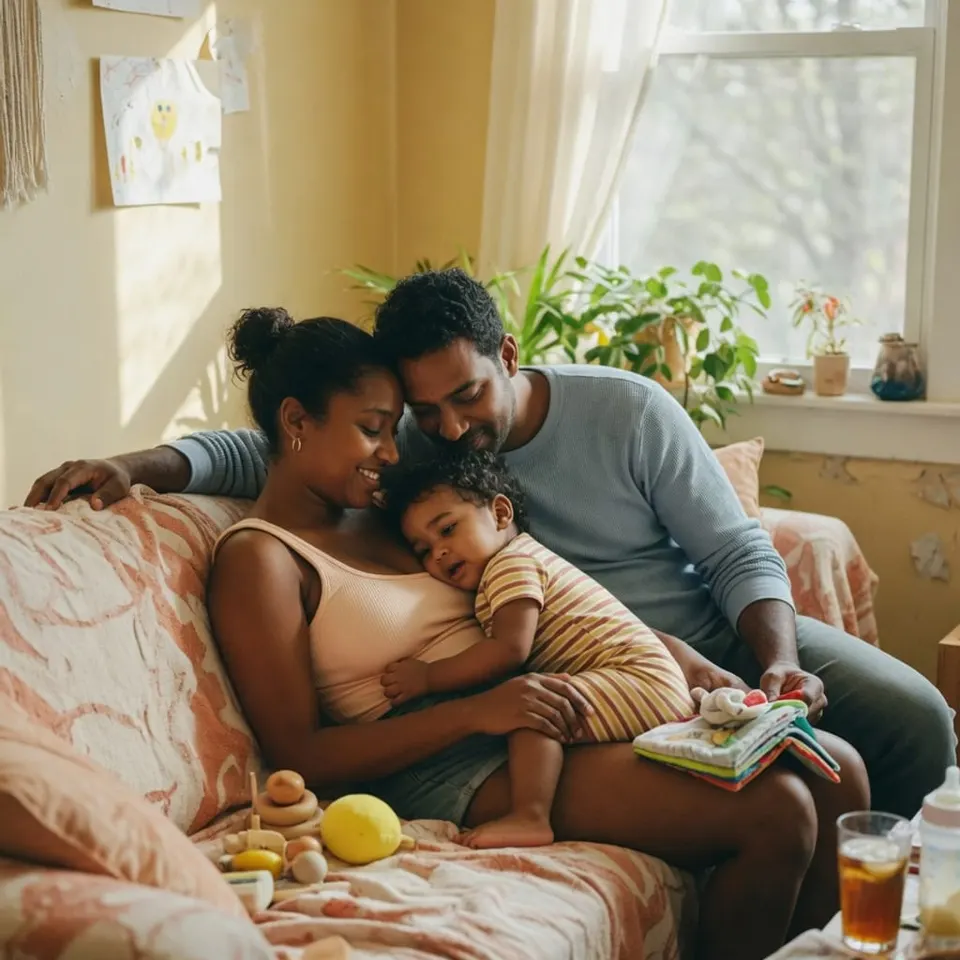
In short: Florida faces a significant shortage of Board Certified Behavior Analysts (BCBAs) and ABA therapy providers, especially in rural and suburban areas. While you wait for a slot, consider parent-mediated interventions, Early Steps (Florida's early intervention program), school-based supports, and telehealth options. Nearby ABA Therapy can match your family with vetted providers and help you explore interim solutions.
Key takeaways
- ABA provider shortages in Florida are driven by a growing demand and a limited supply of licensed BCBAs, particularly in central and rural regions.
- While waiting, families can access parent training through Early Steps (0-3 years) or school-based behavior supports (ages 3-21).
- Telehealth ABA and direct parent coaching can be effective alternatives while securing an in-person slot.
- Florida Medicaid and most commercial plans cover ABA; verifying benefits early can reduce delays.
Find your child's ABA provider in Florida
About 60 seconds · free & confidential
- ✓ Vetted, BCBA-led providers
- ✓ In-home, center & telehealth
- ✓ No obligation, ever
Understanding the ABA Provider Shortage in Florida
Applied behavior analysis (ABA) therapy is widely recognized as an evidence-based intervention for children with autism spectrum disorder (ASD). In Florida, demand for ABA services has grown rapidly, but the supply of qualified providers-especially Board Certified Behavior Analysts (BCBAs) and Registered Behavior Technicians (RBTs)-has not kept pace. Families in cities like Miami, Orlando, Tampa, Jacksonville, and even smaller communities often report waitlists of six months or longer.
Shortages are especially acute in rural areas of Central Florida, the Panhandle, and the Treasure Coast. Florida's large population, combined with increased awareness and insurance mandates, has created a bottleneck. While the state has taken steps to expand the workforce through university programs and licensing, the gap remains significant.
Why Is There a Shortage?
Several factors contribute to the shortage:
- High demand: Florida ranks among the top states for autism prevalence, and more families are seeking ABA services than ever before.
- Workforce limitations: Becoming a BCBA requires a master's degree, supervised fieldwork, and passing a board exam-a process that takes years. RBTs also need training and supervision.
- Geographic maldistribution: Most BCBAs concentrate in urban areas like South Florida and Orlando, leaving rural and suburban counties underserved.
- Burnout and turnover: High caseloads and administrative demands lead to provider burnout, further reducing availability.
Understanding these factors helps families set realistic expectations and explore alternatives.

🔗 Related reading: Child Hates ABA Therapy: Should You Stop? · Local ABA Therapy
What to Do While You Wait: Practical Alternatives
Being on a waitlist does not mean you have to wait passively. There are several evidence-informed strategies you can implement now to support your child's development and reduce challenging behaviors.
Parent-Mediated Interventions
Parent training is one of the most effective alternatives during a shortage. You can learn to apply ABA principles in everyday routines-during meals, bath time, play, and transitions. Florida's early intervention program, Early Steps (for children birth to age 3), offers parent coaching as part of its services. After age 3, school districts often provide behavior support through Individualized Education Programs (IEPs).
Even without formal training, you can start by focusing on:
- Reinforcement: Identify what motivates your child and use it to encourage positive behaviors.
- Antecedent strategies: Adjust the environment to reduce triggers for challenging behavior.
- Communication: Use simple language, visual supports, or augmentative communication devices.
Many BCBAs also offer brief parent consultation sessions via telehealth, which can be a cheaper and quicker way to get support while you wait for full-time services.
School-Based Behavioral Supports
If your child is enrolled in school (including pre-K), request a meeting with the school's behavior specialist or school psychologist. Under the Individuals with Disabilities Education Act (IDEA), students with autism can receive behavioral supports as part of their IEP. In Florida, many districts employ BCBAs or behavior analysts who can provide direct consultation to teachers and families. While school-based ABA is not as intensive as clinical ABA, it can provide valuable continuity.
Telehealth ABA Services
Telehealth has expanded dramatically. Some providers now offer remote ABA therapy where a BCBA works with your child via video, coaching you in real time. This can be especially useful for:
- Teaching daily living skills (toileting, dressing, feeding)
- Reducing mild challenging behaviors
- Building communication and social skills
Florida Medicaid and many private insurers cover telehealth ABA, especially since the pandemic. Check with your insurance provider about coverage and any billing codes required.
Community Resources & Support Groups
While not a substitute for professional ABA, local support groups, autism organizations (e.g., the Autism Society of Florida, local chapters of the Arc), and parent-to-parent mentoring can provide emotional support and practical tips. Some offer free workshops on behavior management, sensory integration, and advocacy.
Looking for ABA therapy for your child? We match families with vetted, BCBA-led providers near you.
Get matched freeInsurance Coverage for ABA in Florida
Under Florida law (the Steven A. Geller Autism Coverage Act), most health insurance plans-including Medicaid-are required to cover ABA therapy for children with autism. However, coverage details vary. Here's what you need to know:
- Medicaid: Florida Medicaid covers ABA for children under age 21 when medically necessary. The state's managed care plans (e.g., Sunshine Health, Simply Healthcare) often have specific provider networks.
- Private insurance: Most employer-sponsored plans and ACA marketplace plans include ABA benefits. However, some may have annual or lifetime caps, prior authorization requirements, and higher copays.
- Costs without insurance: A typical hour of ABA therapy can cost $50-$150. Full-time therapy (20-40 hours/week) can exceed $30,000 per year. Insurance is critical for affordability.
While you wait, verify your benefits with your insurance carrier. Ask:
- Do I need a referral or diagnosis code (F84.0) for autism?
- Is telehealth covered? At what rate?
- Are there in-network requirements or out-of-network benefits?
Knowing your coverage early prevents delays once a slot opens.

🔗 Related reading: Does Kaiser Cover ABA Therapy in California? · Apply for ABA
How Nearby ABA Therapy Can Help
Nearby ABA Therapy is a free matching service that connects families with vetted, BCBA-led ABA providers in Florida. Unlike a clinic, we don't provide therapy ourselves. Instead, we help you navigate the search:
- We maintain a current list of providers with openings (some may have shorter waitlists if you are flexible on location or schedule).
- We can identify providers who accept your insurance and offer telehealth or in-home services.
- We provide tips for interim strategies and local resources.
Using a matching service can cut weeks off your search. Many families find a provider within days, not months.
Mistakes to Avoid While Waiting for ABA Services
When you are eager to start therapy, it's easy to fall into common traps. Here are pitfalls to watch out for:
- Rushing to accept any provider: Some may not be BCBA-led or may lack experience with your child's specific needs. Always ask about supervision ratios and qualifications.
- Giving up on the waitlist: Keep in touch with providers every few weeks. Let them know you remain interested. Sometimes cancellations open up spots.
- Neglecting parent training: Even one hour of parent coaching per week can yield significant gains. Don't wait for full therapy-start building skills now.
- Focusing solely on ABA: Occupational therapy, speech therapy, and social skills groups can complement ABA. Explore all options under your insurance plan.
By staying proactive and informed, you can ensure that when a slot opens, your family is ready to make the most of it.
Building a Long-Term Advocacy Plan
While the immediate goal is to secure ABA services, the shortage highlights a need for systemic change. As a Florida family, you can advocate for:
- Increased funding for BCBA training programs.
- Loan forgiveness for behavior analysts working in underserved areas.
- Telehealth parity laws that protect remote ABA access.
Join local parent coalitions and the Florida Association for Behavior Analysis (FABA) to support legislative efforts. In the meantime, use every available resource-and let Nearby ABA Therapy help you find the best provider for your child."