Navigating ABA Provider Shortages in New York: Alternatives While You Wait

In short: New York families often face months-long waitlists for ABA therapy due to high demand and limited providers. While waiting, explore alternatives such as parent-mediated interventions, early intervention programs, school-based supports, and telehealth options. Nearby ABA Therapy is a free service that matches your child with vetted, BCBA-led providers, potentially reducing wait times.
Key takeaways
- ABA provider shortages in New York are driven by a growing need and a limited pool of BCBAs.
- Alternatives like parent training and school-based services can support skill development while you wait.
- Medicaid and many commercial plans cover ABA; Nearby ABA Therapy can help verify your coverage.
- Telehealth ABA and parent coaching are viable options to bridge the gap.
Understanding the ABA Provider Shortage in New York
Applied behavior analysis (ABA) therapy is a widely recognized, evidence-based intervention for individuals with autism spectrum disorder (ASD). However, across New York State-from New York City to Buffalo, and from Long Island to the North Country-families are confronting a significant shortage of qualified providers. The demand for ABA services has grown steadily, particularly as insurance coverage has expanded, but the supply of Board Certified Behavior Analysts (BCBAs) and registered behavior technicians (RBTs) has not kept pace. This shortage means that many families wait months for an initial assessment or ongoing therapy slots.
The reasons behind the shortage are complex. New York requires rigorous credentialing, and the pipeline for training BCBAs is limited. Additionally, provider turnover is high, and rural areas often lack any nearby ABA clinic at all. While this situation is challenging, there are practical steps you can take to support your child while you wait for a provider to become available.

🔗 Related reading: Moving to Texas with an Autistic Child: Guide · Local ABA Therapy
Why Waitlists Are Long
High Demand and Limited Provider Capacity
New York is home to one of the largest populations of children diagnosed with autism in the United States. At the same time, the number of BCBAs graduating each year is far below what is needed. Clinics often have waitlists that stretch for months, especially for in-center or intensive in-home services. Many providers prioritize existing clients before accepting new ones, leaving new families in limbo.
Insurance and Authorization Delays
Even after you find a provider, insurance authorizations can take weeks. Medicaid and commercial plans in New York require prior authorization for ABA, and the administrative process can add to the overall wait time. While your coverage is being verified, you may feel stuck-but there are alternatives you can begin immediately.
Geographic Disparities
In urban areas like Manhattan, Brooklyn, or Queens, competition for slots is fierce. In rural upstate regions, there may be only one or two providers serving an entire county, making it nearly impossible to secure timely services. Telehealth has helped close some gaps, but not all families have reliable internet access.
Alternatives While You Wait for ABA Therapy
Parent Training and Coaching
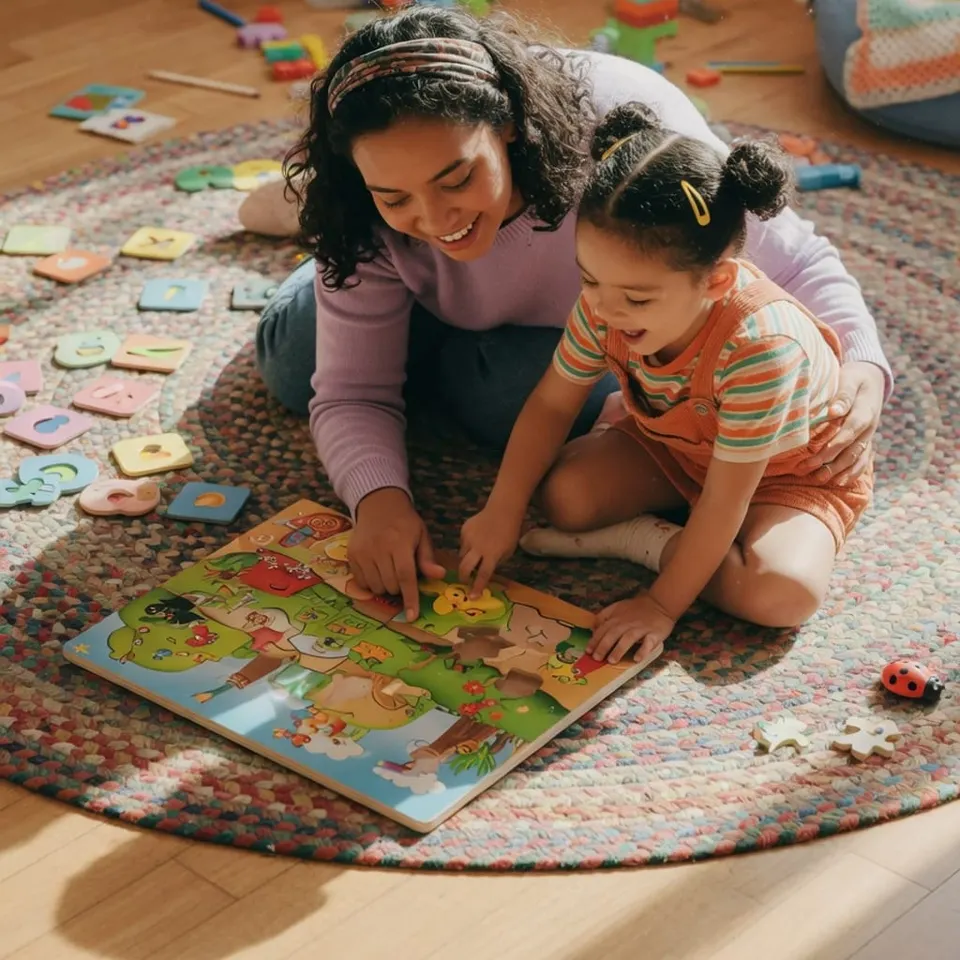
Parent-mediated interventions are a powerful alternative. Research shows that when parents learn ABA strategies, children can make meaningful progress even before formal therapy begins. Many BCBAs offer parent coaching sessions, either in-person or via telehealth, that teach you how to implement techniques like positive reinforcement, prompting, and data collection in daily routines. This not only helps your child but also empowers you to feel more confident.
New York State's Early Intervention Program (for children under 3) often includes parent training as part of the Individualized Family Service Plan (IFSP). If your child is older, your school district's Committee on Preschool Special Education (CPSE) or Committee on Special Education (CSE) may fund parent training as a related service.
School-Based Supports
Public schools in New York are required to provide a free appropriate public education (FAPE) to students with disabilities. If your child has an Individualized Education Program (IEP) that includes behavioral goals, the school may offer counseling, social skills groups, or a behavioral intervention plan (BIP) written by a school psychologist or special education teacher. While this is not the same as ABA delivered by a BCBA, it can address some behavioral and social challenges while you wait.
Be sure to request an IEP meeting to discuss adding a behavioral consultation. Some school districts contract with BCBAs to provide training to staff, which can benefit your child indirectly.
Telehealth ABA and Remote Support
Telehealth has become a vital bridge for families in underserved areas. Many BCBAs now offer remote supervision, parent training, and even direct therapy via secure video platforms. Telehealth ABA can be especially effective for teaching functional communication, self-help skills, and reducing challenging behaviors in the home environment. During the initial wait for in-person services, a telehealth BCBA can conduct a functional behavior assessment (FBA) and create a behavior plan that you can implement at home.
Check with your insurance provider-most New York health plans, including Medicaid, cover telehealth ABA services at parity with in-person visits.
Community-Based Programs and Support Groups
Local chapters of organizations like the Autism Society of the Greater Capital Region, Sinergia (NYC), or the Family Resource Network (upstate) offer parent support groups, workshops, and social skills classes for children. These programs can provide immediate social engagement and practical guidance while you wait for a dedicated ABA provider.
Public libraries, YMCAs, and recreation departments in many New York communities also offer adaptive programs. They are not a substitute for ABA, but they can reduce isolation and build routine.

🔗 Related reading: When Play Looks Different: How ABA Can Help · Local ABA Therapy
What About Insurance and Medicaid Coverage?
New York is a state with strong autism insurance mandates. Most commercial group health plans must cover ABA therapy when medically necessary, with no arbitrary visit limits for children under 21. Medicaid, including the New York State Medicaid program and Managed Care plans, also covers ABA provided by a qualified BCBA.
However, coverage does not guarantee immediate access. While you are on a waitlist, verify whether your plan will cover alternative services like parent training or telehealth. Many plans do, but you may need a formal referral or prior authorization from your child's primary care provider or a developmental pediatrician.
Nearby ABA Therapy can help you navigate this process. As a free matching service, we work with families to identify vetted, BCBA-led providers who have current availability. We also review your insurance benefits at no cost, so you know exactly what services are covered while you wait.
How Nearby ABA Therapy Can Help You Get Matched Faster
Our goal is to reduce the overwhelm of finding a quality ABA provider. Instead of calling dozens of clinics and leaving messages, you complete a simple online form. We match your child's needs with our network of BCBA-led providers in your area-including those with shorter waitlists or telehealth options. We do not charge families for this service. Once matched, you can schedule a consultation and start services as soon as insurance authorization is approved.
Keep in mind that "faster" does not always mean immediate. But by leveraging our network, many families find an available provider in weeks rather than months. We also help you understand your options for parent training and other interim supports.
Common Mistakes to Avoid While Waiting
- Waiting passively. Do not assume you can do nothing until therapy starts. Begin implementing simple routines and reach out to local support groups.
- Not checking insurance for interim services. Many plans cover parent training or telehealth without requiring a full ABA authorization. Call your insurer or ask Nearby ABA Therapy to verify benefits.
- Assuming school services are enough. School-based support can be helpful, but it rarely provides the intensity or expertise of BCBA-led ABA. Keep your name on multiple waitlists and explore private options.
- Delaying the diagnostic evaluation. If your child does not yet have a formal autism diagnosis, start that process now. Many providers require a written diagnosis from a qualified professional before accepting referrals.
- Not asking about cancellation lists. Some clinics maintain a list of families who can fill last-minute cancellations. Getting on this list can bump you up weeks earlier.
Final Thoughts: Stay Proactive and Connected
Waiting for ABA therapy in New York can feel frustrating and isolating, but you are not alone. Thousands of families face the same challenge. By exploring parent training, school supports, telehealth, and community programs, you can begin building skills today. And when you are ready for a BCBA-led provider, Nearby ABA Therapy is here to help you find the right match for your child-at no cost to you.
Remember, every small step you take now lays the groundwork for future progress. Stay in touch with your child's pediatrician, keep advocating at school, and don't hesitate to ask for help. You are your child's best advocate, and there are resources available to support you throughout the journey.