Parent Training in ABA: Why It Matters Most

In short: Parent training is a core part of ABA therapy that teaches caregivers how to support their child's learning and behavior in daily life. It helps children generalize skills, reduces family stress, and is often covered by insurance or Medicaid. Nearby ABA Therapy is a free service that matches families with vetted BCBA-led providers who include parent training in their programs.
Key takeaways
- Parent training helps children with autism generalize skills from therapy to home and community settings.
- It reduces caregiver stress by providing practical strategies for daily challenges.
- Insurance and Medicaid often cover parent training as part of ABA therapy.
- Active parent involvement leads to better long-term outcomes for children.
What Is Parent Training in ABA?
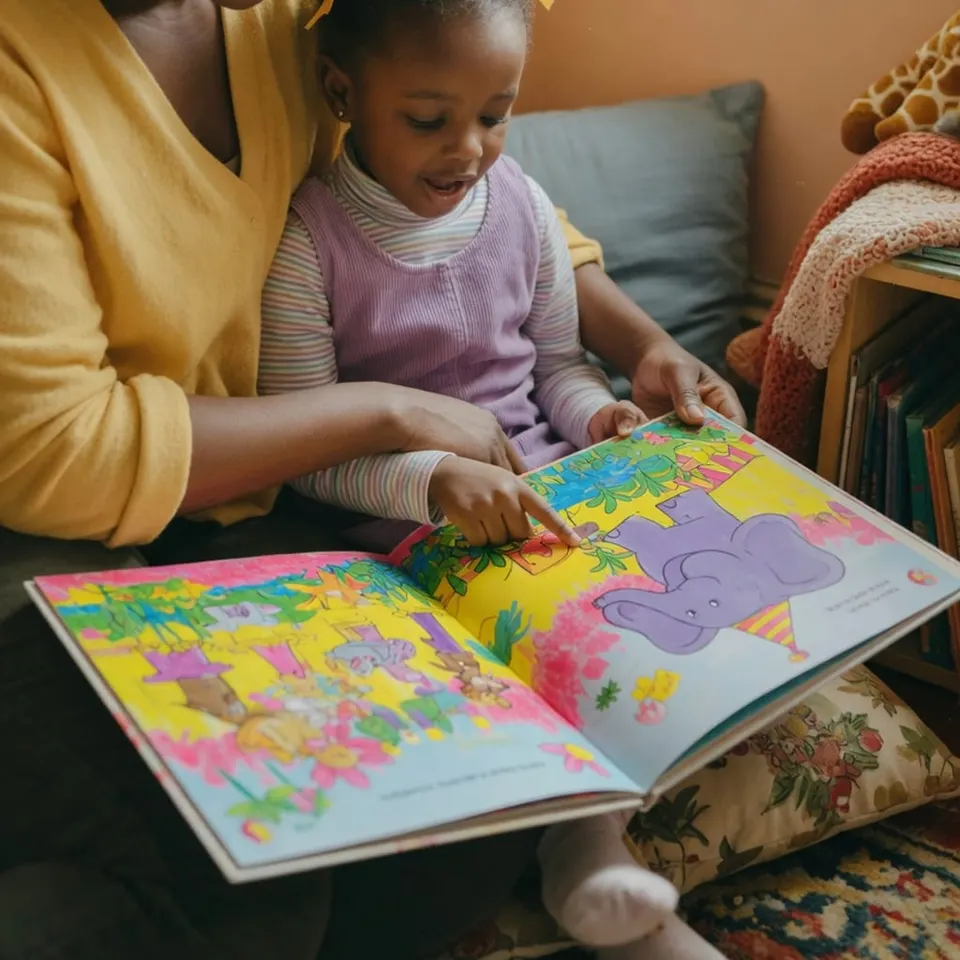
Parent training in Applied Behavior Analysis (ABA) is a structured program where a Board Certified Behavior Analyst (BCBA) teaches caregivers the principles and techniques of ABA. This training equips parents and guardians with tools to support their child's development outside of formal therapy sessions. It is not about turning parents into therapists, but about empowering them to reinforce positive behaviors, reduce challenging ones, and create a supportive home environment.
🔗 Related reading: Autism Resources & Support for Families in New York · Find ABA Near Me
Why Parent Training Matters Most
Research consistently shows that parent involvement is one of the strongest predictors of success in ABA therapy. Children with autism spend most of their time with family, not in therapy. When parents learn to apply ABA strategies consistently, children are more likely to generalize skills-meaning they use what they learn in therapy at home, school, and in the community. This leads to faster progress and more meaningful, lasting change.
Better Generalization of Skills
Without parent training, a child might learn to request a snack during a therapy session but not at home. Parent training bridges that gap by teaching caregivers how to prompt and reinforce the same behavior in natural settings. For example, a BCBA might show a parent how to use a visual schedule for morning routines, helping the child become more independent.
Reduced Caregiver Stress
Parenting a child with autism can be challenging, especially when dealing with meltdowns or communication difficulties. Parent training provides practical strategies to manage these situations, reducing feelings of helplessness and frustration. Studies have shown that parents who participate in training report lower stress levels and greater confidence in their parenting abilities.
What Does Parent Training Look Like?
Parent training is typically delivered by a BCBA and can take several forms:
- One-on-one sessions: The BCBA meets with parents in their home or clinic to discuss goals, model techniques, and practice together.
- Group workshops: Some providers offer group training where parents learn from each other and share experiences.
- Remote sessions: Via video calls, making it convenient for busy families.
- In-vivo coaching: The BCBA observes parent-child interactions and provides real-time feedback.
Sessions often cover topics like reinforcement strategies, communication tools (e.g., PECS or AAC devices), behavior management, and toilet training. The frequency varies, but many families start with one to two hours per week, gradually reducing as they become more comfortable.
🔗 Related reading: How Long Does ABA Therapy Take to Work? Timeline & Tips · Local ABA Therapy
Costs and Insurance Coverage
Parent training is considered a medically necessary component of ABA therapy and is typically covered by insurance plans, including Medicaid. Under the Affordable Care Act, many private insurers must cover ABA for autism, and parent training is included in that coverage. In states with Medicaid waivers for autism, like California's Regional Center system or Texas's Medicaid program, parent training is often fully covered. Nearby ABA Therapy is a free service that helps families find providers who accept their insurance and include parent training in their plans.
How to Get Started with Parent Training
If you are interested in parent training, the first step is to find a BCBA-led ABA provider that offers it. Nearby ABA Therapy can match you with vetted providers in your area who prioritize parent involvement. Once matched, the BCBA will conduct an initial assessment to understand your child's needs and your family's goals. Together, you will create a plan that includes specific parent training objectives.
Tips for Making the Most of Parent Training
- Be open and honest: Share your challenges and what you hope to learn.
- Practice between sessions: Consistency is key to seeing results.
- Ask questions: No question is too small; the BCBA is there to support you.
- Involve other caregivers: Grandparents, babysitters, and other family members can benefit from training too.
- Celebrate small wins: Progress takes time, and every step forward matters.
Common Mistakes to Avoid
One common mistake is thinking parent training is optional or less important than direct therapy. In reality, it is a core component. Another is expecting immediate results-behavior change takes time and patience. Also, avoid trying to implement too many strategies at once; focus on one or two goals initially. Finally, do not hesitate to ask for help if you are feeling overwhelmed; your BCBA is a partner in your child's journey.
The Role of Nearby ABA Therapy
Nearby ABA Therapy is a free matching service that connects families with BCBA-led providers who offer comprehensive ABA programs, including parent training. We understand that every family is unique, so we work to find a provider that fits your schedule, location, and insurance. Our goal is to make the process of starting ABA as smooth as possible so you can focus on what matters most: supporting your child.