How to Prepare Your Child for Their First ABA Session

In short: Preparing your child for their first ABA session starts with understanding what to expect: a BCBA will assess your child and focus on building rapport through play. Talk with your child in simple terms, gather any relevant records, and have favorite toys ready. ABA is typically covered by insurance, including Medicaid, and you can get matched with a vetted provider for free through a service like Nearby ABA Therapy.
Key takeaways
- The first ABA session is mostly about pairing and building trust - no heavy demands are placed on your child.
- Talk to your child beforehand using simple, positive language about meeting a new friend who plays games to help them learn.
- Have your child's favorite toys, snacks, and comfort items ready, especially for home-based sessions.
- ABA is considered medically necessary and is typically covered by private insurance and state Medicaid programs.
Find your child's ABA provider
About 60 seconds · free & confidential
- ✓ Vetted, BCBA-led providers
- ✓ In-home, center & telehealth
- ✓ No obligation, ever
Understanding ABA Therapy and Your Child's First Session
What is ABA Therapy?
Applied Behavior Analysis (ABA) therapy is a scientifically supported approach that helps children learn new skills and reduce challenging behaviors. ABA focuses on understanding how behavior works in real-world settings, using positive reinforcement to encourage desired actions. For children with autism and other developmental differences, ABA can improve communication, social skills, self-care, and academic readiness. Sessions are designed and overseen by a Board Certified Behavior Analyst (BCBA) who creates a personalized plan based on your child's strengths and needs.
What Typically Happens in a First Session?
The first ABA session is less about intensive teaching and more about building a relationship. The BCBA will spend time observing your child, interacting through play, and talking with you about your goals and concerns. This is called the pairing process - the therapist pairs themselves with fun activities so your child sees them as a source of joy and safety. Data collection is often informal at this stage, focused on understanding your child's preferences, communication style, and triggers.
🔗 Related reading: ABA vs School-Based Services: Key Differences · Local ABA Therapy
Why Preparation Matters
Reducing Anxiety for Child and Parent
Starting any new therapy can feel uncertain. A child may not understand why a stranger is coming to their home or taking them to a clinic. Preparation helps your child feel more in control and less anxious. When you model calm confidence, your child picks up on that security. Preparing also helps you know what to ask and how to set realistic expectations, which reduces your own stress.
Building Trust with the Therapist
A strong parent-therapist partnership sets the tone for success. By preparing together - reviewing your child's favorite activities, sharing recent challenges, and outlining daily routines - you help the BCBA hit the ground running. Trust is built on honesty and consistency, and a prepared family makes it easier for the therapist to tailor their approach from day one.
Looking for ABA therapy for your child? We match families with vetted, BCBA-led providers near you.
Get matched freeBefore the First Session: Practical Steps for Parents
Gather Relevant Information
Collect any documents that give the BCBA a fuller picture of your child: previous evaluations, Individualized Education Program (IEP) if your child is in school, medical records, and notes from other therapists. Write down your top three goals for therapy. Remember, you do not need to hand over everything - just what you feel is most helpful. Your private information stays protected under HIPAA.
Discuss with Your Child
Use age-appropriate language to describe what will happen. For a young child, you might say, "A new friend is coming to play with you and learn how you like to play. They have cool toys and games!" For an older child or one with stronger communication skills, explain more directly: "A therapist will visit to help us work on some things together. They will ask you questions and watch how you do things." Avoid framing therapy as punishment or a fix for something that is "wrong." Emphasize that it is a support to help them succeed.
Prepare a Comfortable Environment
If the session is in your home, tidy up the main play or therapy area without making it sterile. Put away items that are overstimulating or that your child tends to hoard. Have a few of your child's favorite toys, books, or sensory items easily accessible, but keep a couple of special items reserved for the therapist to introduce. For clinic-based sessions, discuss the drop-off and pick-up routine with the staff. Let your child know where you will be (e.g., in the waiting room or a nearby coffee shop) and when you will return.
Have Favorite Toys and Rewards Ready
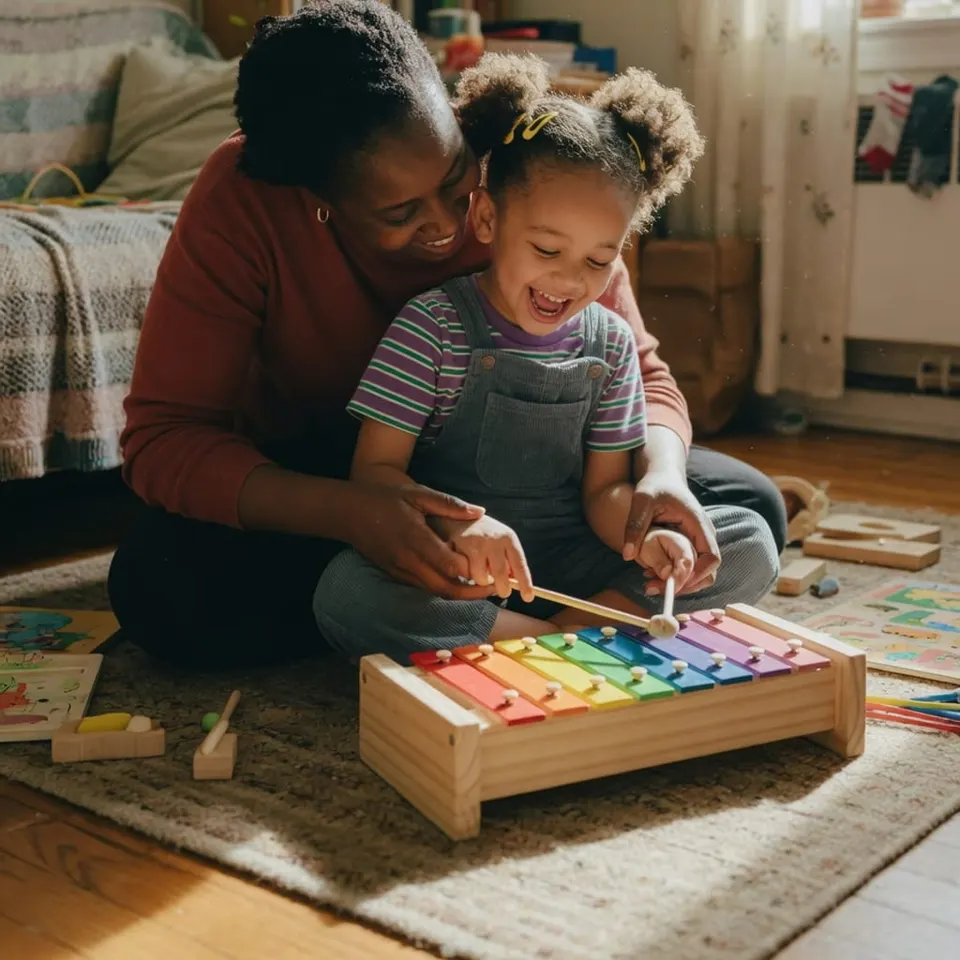
The pairing process works best when the therapist can immediately engage with items your child loves. Prepare a small list or bin of preferred toys, snacks, or activities. If your child is highly motivated by screen time, that can be part of the session too - the BCBA might play a game alongside your child and slowly shape interaction. You know your child best; share these preferences openly.
🔗 Related reading: ABA Providers That Accept Insurance in Colorado · Local ABA Therapy
What to Expect During the First ABA Session
The BCBA Will Conduct an Initial Assessment
Expect the BCBA to ask many questions about your child's development, medical history, eating and sleeping patterns, and behavior. They may also conduct standardized assessments like the VB-MAPP or ABLLS-R. This is not a test for your child - it is a way to measure current skills so therapy can be targeted. The BCBA will likely take notes and may record video (with your permission) for analysis. Feel free to ask questions at any time.
Pairing: Therapist Builds Rapport
The single most important goal of the first session is pairing. The therapist will follow your child's lead, imitate their actions, and provide access to preferred items without demanding anything in return. Your child may not seem to "work" on skills - that is okay. Trust must come before teaching. If your child appears anxious, the therapist may back off and simply talk with you while the child plays nearby. Progress happens on your child's timeline.
Parent Involvement and Observation
Parents are encouraged to stay present for at least part of the session, especially at first. You can ask to observe behind a one-way mirror if the clinic has one, or sit in the same room. Your calm presence can help your child feel safe. The BCBA will likely ask for your input on how to respond to certain behaviors. Be honest about what works at home. You are the expert on your child; the BCBA is the expert on behavior change. Together you make a great team.
Addressing Insurance and Costs
ABA is Typically Covered by Insurance
Because ABA is recognized as an evidence-based treatment for autism, most private insurance plans cover it when deemed medically necessary. State Medicaid programs almost always cover ABA therapy for children under 21. However, coverage details vary by plan - some require pre-authorization, others have session limits or copays. It is essential to verify your benefits before starting.
How Nearby ABA Therapy Can Help
Navigating insurance and finding a provider can feel overwhelming. That is where a free matching service like Nearby ABA Therapy comes in. We connect families with vetted, BCBA-led providers who accept your insurance - including Medicaid. Our team helps you understand your coverage and find a therapist near you, at no cost. You simply fill out a short form, and we do the rest. Let us handle the paperwork so you can focus on your child.
Common Mistakes to Avoid When Preparing
Over-Scheduling the Child on the First Day
Avoid packing your child's day with school, therapies, errands, and appointments around the first ABA session. A tired or overwhelmed child cannot engage well. Keep the day low-key. Let the child rest before the session, and plan nothing immediately after except downtime.
Expecting Immediate Results
ABA is a process, not a quick fix. The first few sessions may look like pure play, and that is by design. Do not expect a behavior plan, data sheets, or dramatic changes after one visit. Real progress takes weeks and months of consistent implementation. Trust the process and give the BCBA time to build a relationship with your child.
Not Communicating Your Concerns
You may worry about your child's food refusal, sleeping issues, or aggression. Do not hold back. The BCBA needs to know your biggest struggles to plan effectively. If you are nervous about the therapy itself (e.g., fear of punishment, concerns about ethics), voice those too. A good BCBA will address your questions with respect and transparency. If something feels off, speak up - your child's well-being comes first.
How to Support Your Child After the First Session
Talk About the Experience
After the session, ask your child how it felt. For nonverbal children, watch their body language and mood. Did they seem relaxed or tense? Did they reach for the therapist's toy? These observations help you and the BCBA gauge the quality of the pairing. Celebrate small wins: maybe your child smiled at the therapist or allowed them to sit nearby. Share these with the BCBA so they know what worked.
Maintain Consistency with Therapist Recommendations
The BCBA may suggest simple strategies to try between sessions - for example, using a visual schedule, offering choices, or reinforcing a specific skill. Even if they seem small, following through at home speeds up progress. Ask for written reminders or video examples if needed. Consistency across settings helps your child generalize skills more quickly.
You've Got This - Get Matched with a Provider Today
Preparing for your child's first ABA session is a journey of trust, patience, and partnership. You have already taken the most important step: seeking support for your family. With the right preparation and a compassionate BCBA, your child can thrive. If you are still looking for a provider, let Nearby ABA Therapy connect you with vetted, BCBA-led clinics that accept your insurance. It is fast, free, and designed to take the guesswork out of finding care. Visit nearbyabatherapy.com to start today.